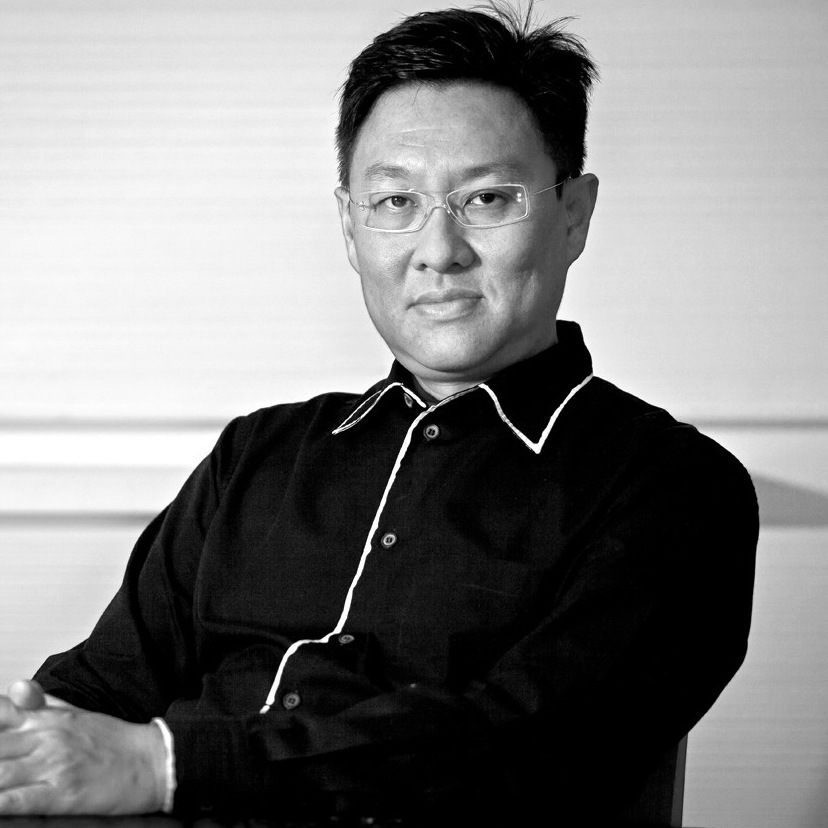
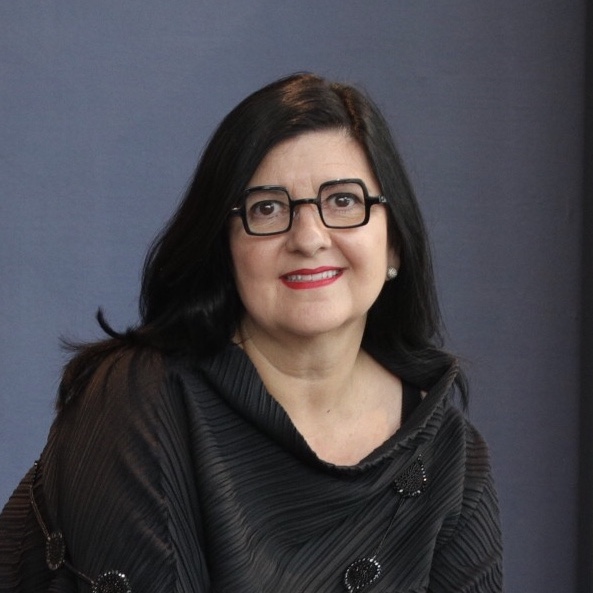
1. It’s a wonderful collaboration between WOW and specialist consultancies to ensure sustainable design to the project. As the architects, do your biophilic seed pod buildings offer not only an immersive experience, but also psychological escape and healing in a very fast, angry world?
We think that nature unites all peoples and all cultures. Through good and sensitive design, and by creating eco awareness and bringing our guests closer to nature, we think that emotional wellbeing could well be a highlight of their experience. More than anything else, we hope that the guests leave with a greater appreciation of the biodiversity found in the surrounding forest.
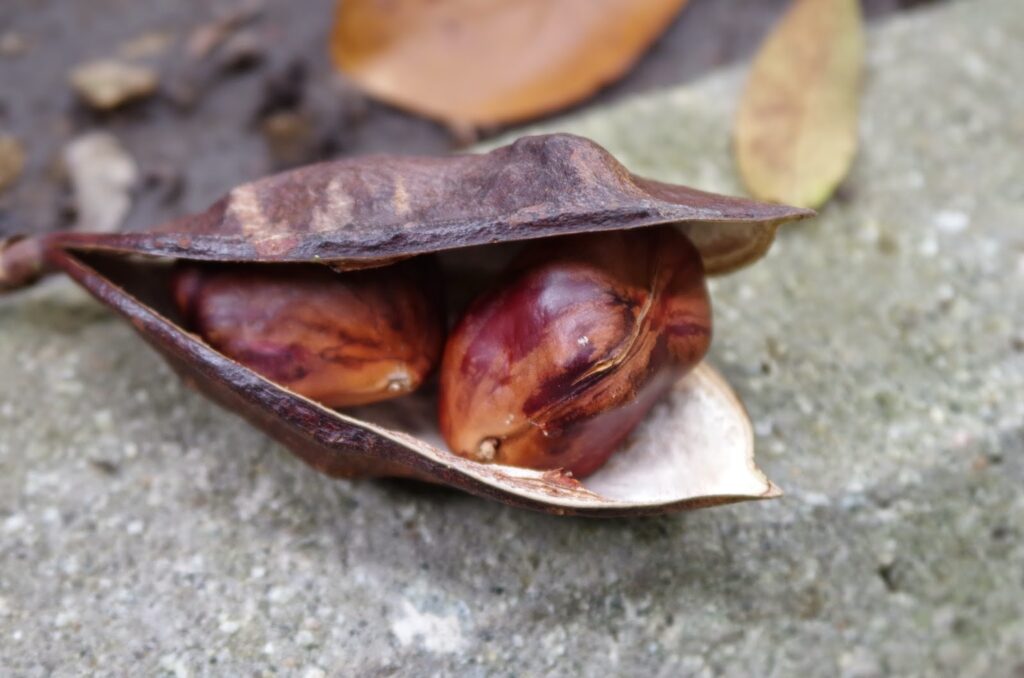
2. How did you come up with the seed pod concept? Did one fall in front of you while exploring the landscape? What flora species are they shaped after?
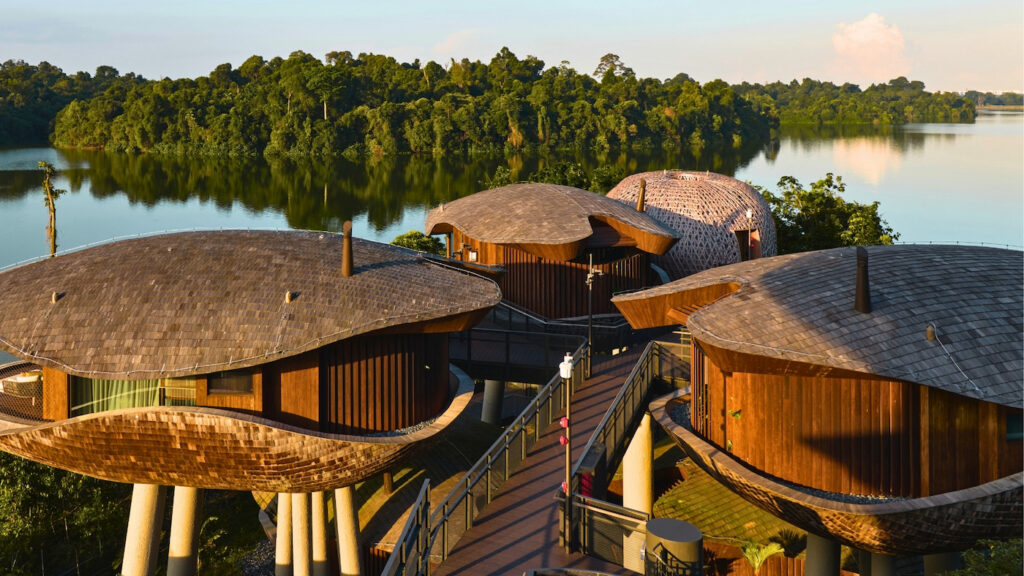
We often take walks near the nature reserve and Maria in particular is passionate about collecting seed pods. From her vast collection, a seed pod from Callerya Atropurpurea, a species of tropical tree in SouthEast Asia inspired us for the form of the treehouse.
The idea of a well-ventilated seedpod for an accommodation amongst the forest trees is both metaphorical as well as ecological, as it is at once representing new life as well as asking our guests to live closer in harmony to nature.
3. More than half the trees on the site will be retained, of which 40% are of conservation value. Did you fall in love with any particular tree species while researching the site?
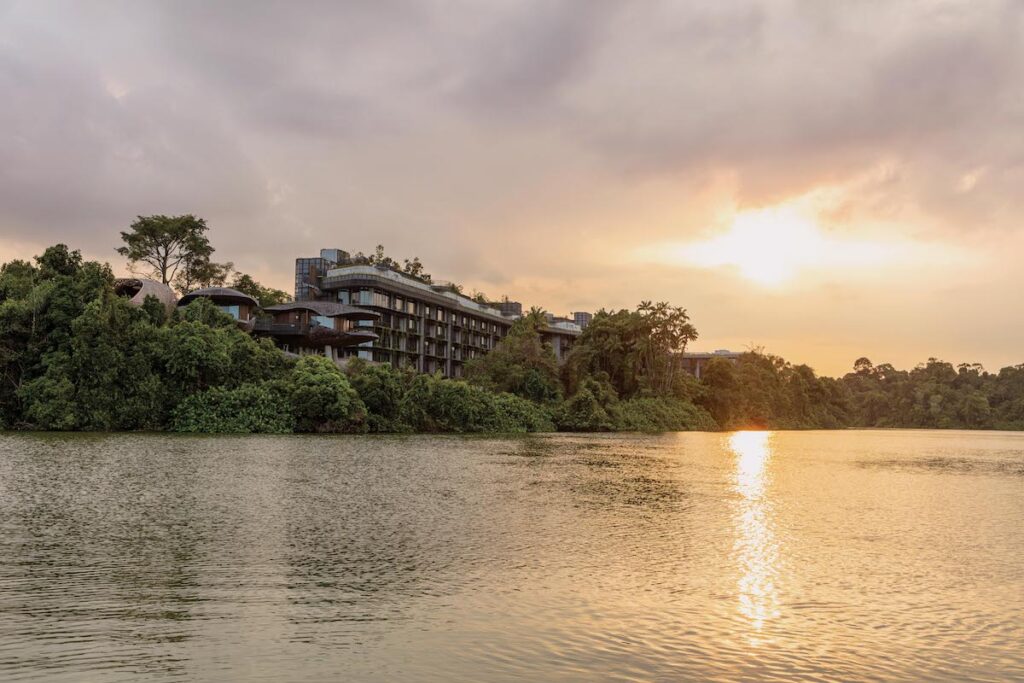
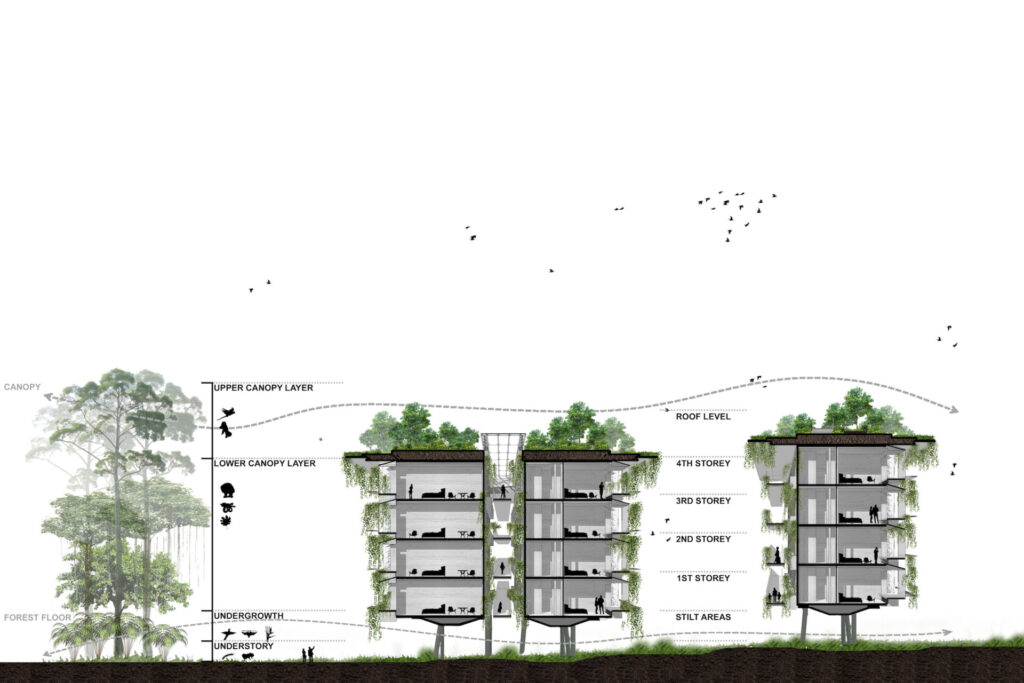
For us, the Liana species found on site were particularly striking, as they hang, creep and grow on many of the mature trees on site. In fact, Lianas became the inspiration for the design concept because of their intriguing form and ability to bridge between trees, creating linkages, which is exactly the metaphor of our resort: bridging between the manmade and the natural world.
4. Do the interiors have a minimalist design scheme? What Singapore elements do they have apart from reflecting the surrounding rainforest?
If we define minimalist as doing more with less, and if we as an eco-aware society can appreciate this ‘minimalist’ lifestyle, then the answer is yes! The future for Singapore and the world is to consume sustainably and our design reflects this.
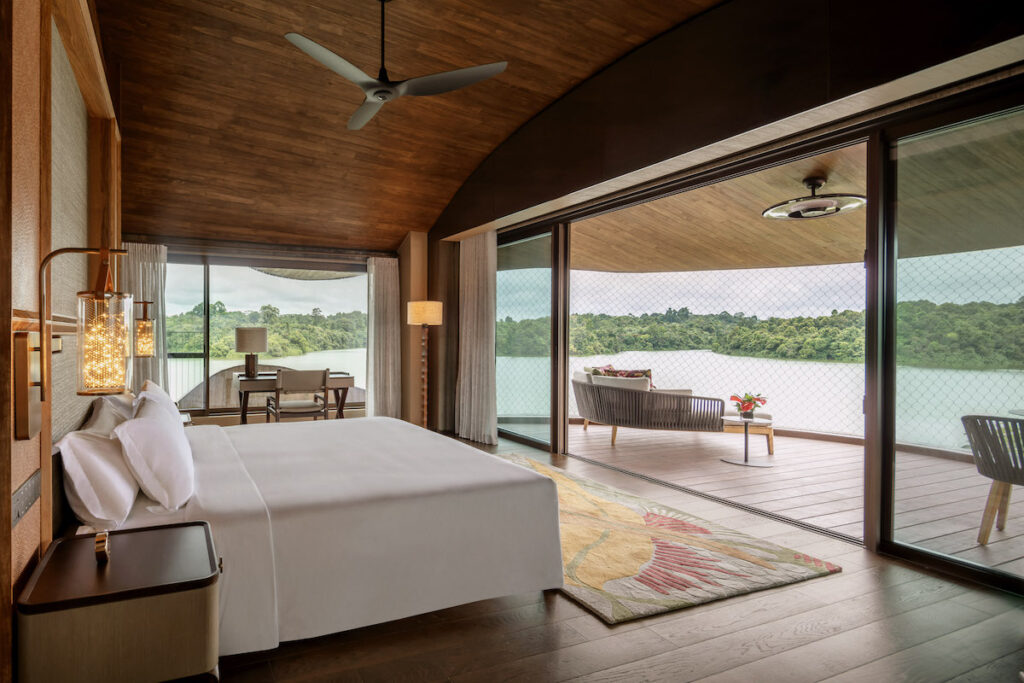
The simple but functional interiors use natural materials sparingly, but yet is thoughtful and aesthetic in every detail.
It is relaxed, and comfort driven, and incorporates aspects of the rainforest in the art and artefacts to remind our guests about what surrounds them.
5. As homegrown-Singapore architects do you see more and more indoor and outdoor spaces being blurred; and more symbiosis with nature in Singapore residential and commercial architecture?
The culture of the garden city has defined our generation. Tropical design by its very nature blurs the inside/outside relationships. In the last decade ‘sustainable design’ has caught on globally.
But in truth, Singapore architects have been practicing this for a long time now. This places us at the forefront of the profession globally when it comes to green design, but we still need to develop our skills.
The challenge for our local architecture scene is to continue to innovate and create new typologies and technical solutions in green design that will reshape not only Singapore, but influence other cultures and societies as well. For this, government and private sector should work hand in hand to create opportunities. The Mandai resort is a good example.
6. If a young architecture student wants to practise sustainable design and work with nature in Singapore, what advice can you give?
We would say that they should observe their surroundings well, and choose good mentors.